Hydraulic Hoses
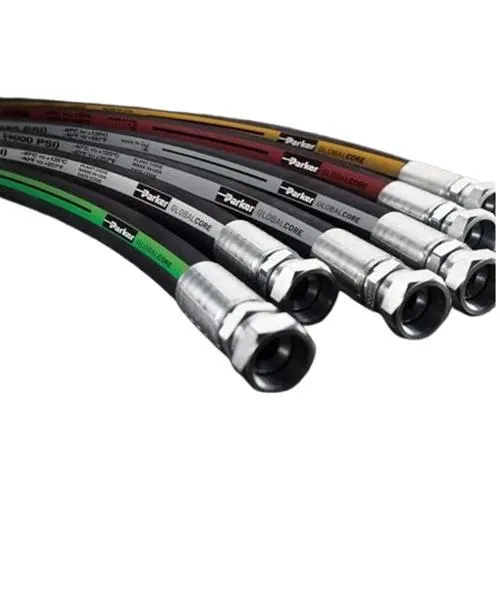
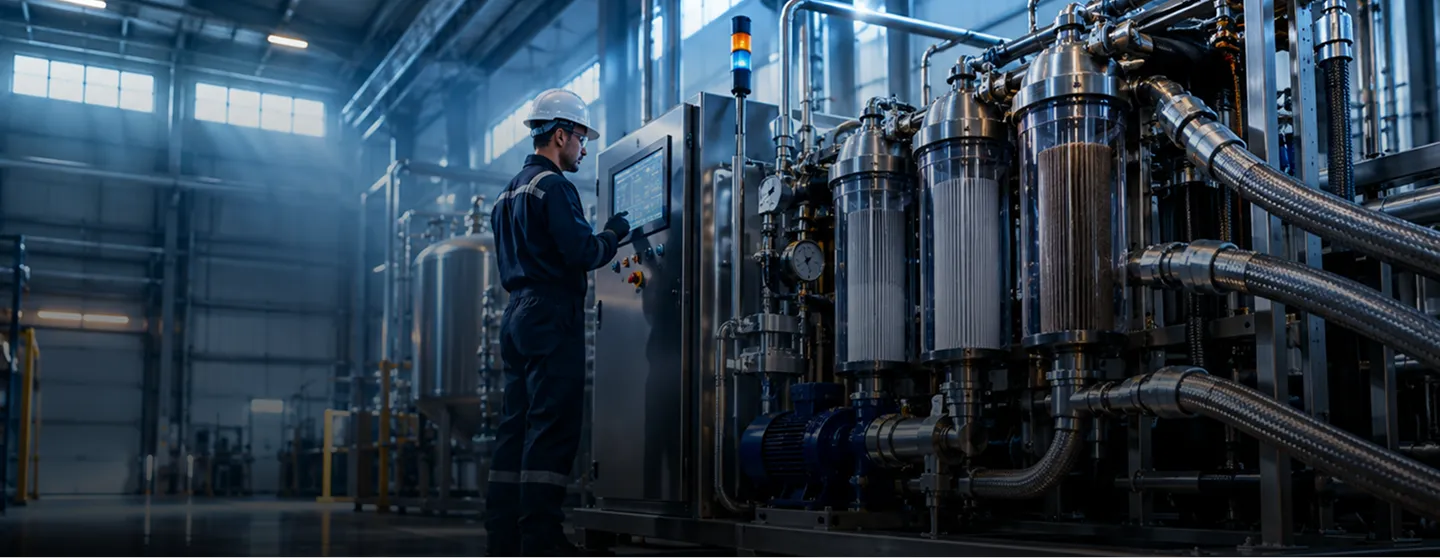
Hydraulic hoses are flexible, high-pressure pipes designed to convey hydraulic fluid between pumps, valves, actuators, and other mechanical components within fluid power systems. Typically constructed with three distinct layers, they feature a synthetic rubber or thermoplastic inner tube that contains the fluid, a reinforced middle layer of braided or spiral-wound high-tensile steel wire or fiber for strength, and a durable outer cover to protect against abrasion, weathering, chemicals, and mechanical damage. Engineered to withstand extreme operating pressures, pressure surges, and severe mechanical stress, hydraulic hoses play a critical role in transferring energy and powering machinery across agricultural, industrial, aerospace, and construction sectors.
Compared to rigid piping or tubing, hydraulic hoses offer essential flexibility, allowing machinery components to move continuously while maintaining fluid flow. This flexibility simplifies routing through tight or complex engine bays, absorbs system vibrations, and dampens pressure spikes that could otherwise damage rigid lines. Available in various pressure ratings, temperature limits, and inner diameters, hydraulic hoses are typically terminated with permanent crimped or field-attachable fittings to establish leak-proof connections. Proper selection, routing, and routine maintenance of these hoses are vital for ensuring equipment efficiency, operational safety, and system longevity.